Utah ranchers selling quarter and half beef
Quarter vs half vs whole: which beef share fits?
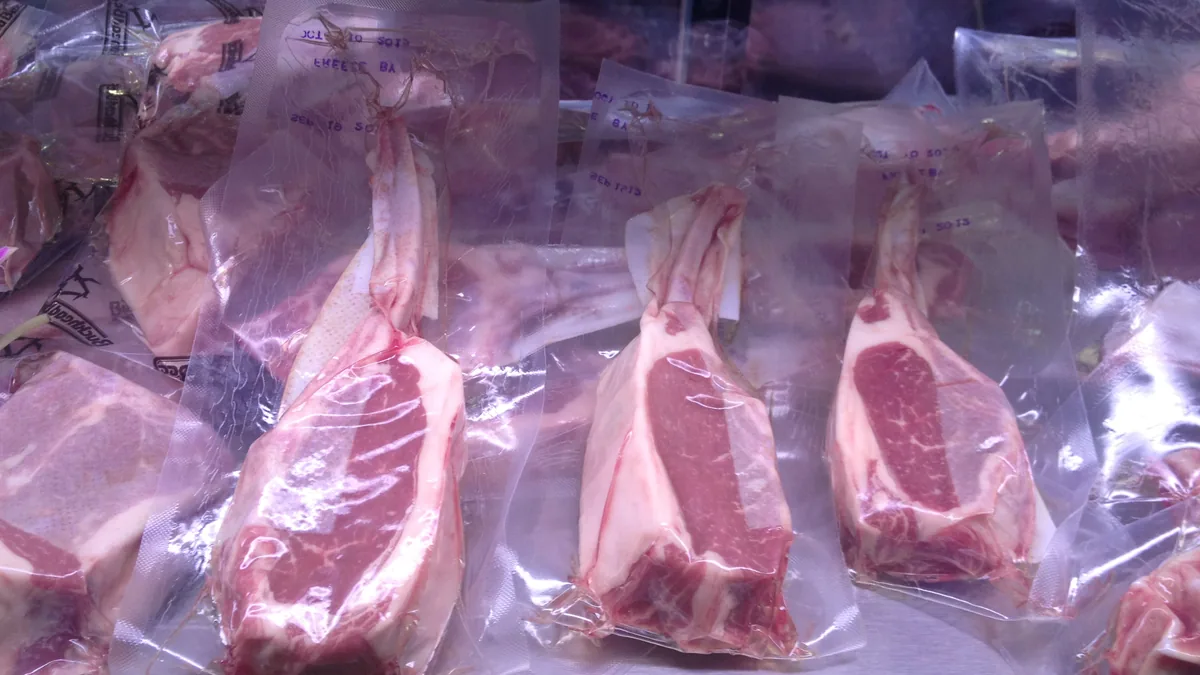
Before you call a ranch, decide how much beef you actually want to bring home. A quarter, half and whole are shares of a live animal, not grocery boxes of steaks. This page puts the university and state agriculture ranges side by side so you can match hanging weight, take-home meat and freezer space to your household, then pick a Utah, Idaho or Wyoming ranch.
Short version: the WSDA guide says bulk beef is typically sold as a whole, half or quarter (some ranches also offer an eighth), and suggests trying a smaller share first to see if it fits the way you cook. The MU Extension guide says to estimate what you will eat in three to six months, because quality declines the longer meat stays frozen.
What quarter, half and whole mean
When you buy a share you are usually buying ownership of part of a live animal, then paying a processor to slaughter and cut it. A whole is the full animal. A half is one side. A quarter is a fourth of the animal, but that quarter may be a front quarter, a hind quarter, or a split side with cuts from both ends. Front, hind and split are not the same mix of steaks and roasts. Our what's in a beef share guide walks through those cut differences. Ask the ranch which kind of quarter they sell before you put down a deposit.
You usually pay two bills: the rancher for the animal and the processor for slaughter and cutting (MU Extension, WSDA guide). Processing fees are typically based on hanging (carcass) weight, also called hot carcass weight (MU Extension).
How much meat and freezer space by size
These hanging and edible ranges come from the WSDA guide, which notes they vary with production practices and breed. Freezer space uses the common rule of about 1 cubic foot for every 35 to 40 pounds of meat (MU Extension, UMaine Extension). The cubic-foot columns are our arithmetic from those edible ranges (edible pounds divided by 40 and by 35). Your packages, bones and odd shapes will change the real fit, so leave a little room.
| Share | Hanging (carcass) weight | Edible / take-home meat | Rough freezer space (35-40 lb per cu ft) |
|---|---|---|---|
| Quarter beef | 140 to 200 lb | 75 to 125 lb | about 2 to 4 cu ft |
| Half beef | 275 to 400 lb | 150 to 250 lb | about 4 to 7 cu ft |
| Whole beef (900 to 1,300 lb live) | 550 to 800 lb | 300 to 500 lb | about 8 to 14 cu ft |
Two worked examples from other extension guides line up with that picture:
- The UMaine Extension bulletin walks a 1,200 lb grass-fed steer to about 560 lb of boneless meat, and using 37.5 lb per cubic foot estimates about 15 cu ft for a whole, 8 for a half and 4 for a quarter.
- The UMN Extension page says a typical quarter from a 1,300 lb live animal yields about 142 lb of meat, and needs at least 4.5 cu ft in a chest freezer or 5.5 cu ft in an upright freezer.
For a whole animal, the MU Extension guide's worked example is a 1,100 lb steer at an average 62 percent dressing, which puts processing charges on about 682 lb of hanging weight and about 385 lb of meat to take home (35 percent of live weight).
Use our freezer space calculator with the hanging or packaged pounds your ranch quotes. Clear space before pickup day.
Who each size usually fits
Stay honest about how often you cook beef, how big the freezer is, and whether friends or family will split the order with you. Extension guides do not prescribe a household size. They do give these planning cues:
- Start smaller if you are new to this. The WSDA guide suggests trying a smaller share first to see if it works with the way you and your family cook. You will get a variety of cuts, including ones you may not use often.
- Plan to eat it in three to six months. The MU Extension guide asks you to estimate what your family can eat in that window, because quality declines the longer meat is frozen. If freezer space is limited or you will not eat it within six months, it points you toward a half or quarter rather than a whole.
- Quarter: often the first buy. Roughly 75 to 125 lb of take-home meat and a few cubic feet of freezer (WSDA guide edible range; freezer arithmetic above). Ask whether it is a front, hind or split side (cut guide).
- Half: about 150 to 250 lb edible (WSDA guide). Better when you cook beef often, have a dedicated chest freezer, or are splitting with another household.
- Whole: about 300 to 500 lb edible (WSDA guide). Makes sense when several households share the animal, you already know you like the ranch's beef, and you have the freezer and cash up front.
Also decide how you want the animal cut. A cut sheet locks in steak thickness, roast size and how much becomes ground. See our cut sheet guide and the questions to ask before you buy checklist.
How the price basis changes the bill
A $5 hanging-weight price and a $12 packaged price can be about the same deal once bone, fat trim and processing are counted. Producers may price by live weight, a flat animal price, or hanging weight (MU Extension, WSDA guide). Processing is usually charged on hanging weight (MU Extension). To compare ranches, convert everything to a cost per pound of meat you take home: add what you pay the rancher and the processor, then divide by packaged pounds (MU Extension). Our quarter beef cost guide shows that math with Utah examples.
Ready to pick a size and a ranch?
Once you know whether you want a quarter, half or whole, compare posted prices across Utah, Idaho and Wyoming, then browse the Utah, Idaho and Wyoming ranch lists. Prefer grass-finished? Start with our grass-fed beef listings.
Sources fetched November 5, 2026: Washington State Department of Agriculture, Guide to Buying Meat in Bulk Directly From Farms and Ranches: Beef (WSDA PUB 522-019, reproduced from the Good Meat Project); University of Missouri Extension, Buying Meat Direct From the Farm (MX3001, revised August 2026); University of Maine Cooperative Extension, Bulletin 1071, What To Expect When Buying A Freezer Beef; University of Minnesota Extension, Buying animals for meat processing. Freezer cubic-foot ranges in the table are our arithmetic from the WSDA edible pounds and the 35-40 lb per cu ft rule. No ranch or brand paid to be listed.
See something wrong? Email brad@uofyou.org.