Utah ranchers selling quarter and half beef
How long a beef share keeps in the freezer, and how to thaw it safely
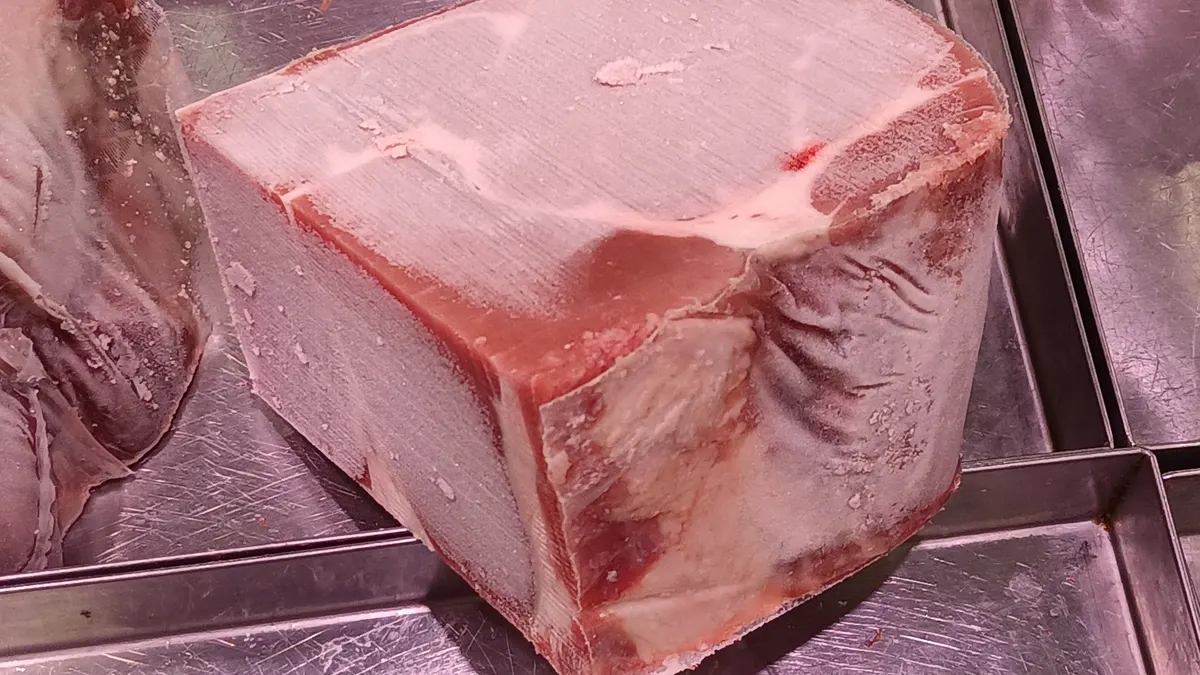
A quarter beef is a lot of meat to work through. This page pulls together the U.S. Department of Agriculture's guidance on keeping it at its best and thawing it safely. Every point links to the government page it came from.
Frozen beef stays safe. The clock is about quality.
Food kept constantly at 0 F will always be safe; only quality suffers with long freezer storage (USDA FSIS, Freezing and Food Safety). So the times below are for best taste and texture, not a safety deadline. Use a standalone freezer set at 0 F or below for long-term storage, and keep an appliance thermometer inside to check it (USDA FSIS).
How long each part of your share keeps its quality at 0 F
| Item | Best quality |
|---|---|
| Uncooked steaks | 4 to 12 months |
| Uncooked roasts | 4 to 12 months |
| Uncooked ground beef | 3 to 4 months |
| Sausage | 1 to 2 months |
| Cooked meat (leftovers) | 2 to 3 months |
| Soups and stews | 2 to 3 months |
Source: freezer storage chart in USDA FSIS, Freezing and Food Safety.
Ground beef has the shortest window on that chart, and it is often the biggest part of a quarter. University of Minnesota Extension's example quarter includes 35 to 60 lb of ground beef (UMN Extension). A simple plan is to cook through the ground beef first and save steaks and roasts for later months. How your share is split between ground beef, steaks, and roasts is decided on your cut sheet, so ask your ranch or butcher what options they offer.
Freezer burn and color changes
Freezer burn shows up as grayish-brown leathery spots where air touched the meat. It does not make beef unsafe, only dry in spots, and you can cut those parts away before or after cooking (USDA FSIS). Frozen beef can also turn dark or pale brown from lack of oxygen, freezer burn, or very long storage (USDA FSIS).
Butcher paper and store wrap let air through, so USDA suggests overwrapping packages for long storage. Vacuum-sealed packages can go in the freezer as they are. If a package tears in the freezer, the meat is still safe; just rewrap it (USDA FSIS).
The three safe ways to thaw beef
USDA lists three safe methods: in the refrigerator, in cold water, and in the microwave. Never thaw on the counter, in hot water, or in a garage, basement, car, or outdoors (USDA FSIS, The Big Thaw).
- Refrigerator (best if you can plan ahead). Even a pound of ground meat needs a full day. Once thawed, ground and stew meat stay good for another day or two before cooking, and steaks and roasts for 3 to 5 days. Beef thawed this way can be refrozen without cooking, with some loss of quality (USDA FSIS).
- Cold water (faster). Keep the meat in a leak-proof bag, submerge it in cold tap water, and change the water every 30 minutes. A package of about a pound may thaw in an hour or less, and a 3 to 4 pound package may take 2 to 3 hours. Cook it right away, and cook it before refreezing (USDA FSIS).
- Microwave (fastest). Cook immediately after, since parts of the meat can start to warm up and cook while thawing (USDA FSIS).
Forgot to thaw? It is safe to cook beef straight from frozen. Plan on about 50 percent more cooking time (USDA FSIS).
Cook to a safe temperature
Use a food thermometer. Beef steaks and roasts need 145 F followed by a 3 minute rest, and ground beef needs 160 F (FoodSafety.gov).
If the power goes out
Keep the freezer door shut. A full freezer usually holds for about 2 days and a half-full one for about a day. When the power comes back, beef that still has ice crystals or is 40 F or colder is safe to refreeze or use. Throw out anything that has been warmer than 40 F for more than 2 hours (USDA FSIS). A fuller freezer holds cold longer, which is one more reason to size it to your share. See how much freezer space a quarter needs.
Questions about food safety? USDA runs a Meat and Poultry Hotline at 1-888-674-6854 (USDA FSIS).
Ready to buy? Browse the Utah ranch directory.
Sources fetched October 25, 2026. This page is general guidance from USDA, not medical advice. No ranch paid to be listed.
See something wrong? Email brad@uofyou.org.