Utah ranchers selling quarter and half beef
How to fill out a beef cut sheet
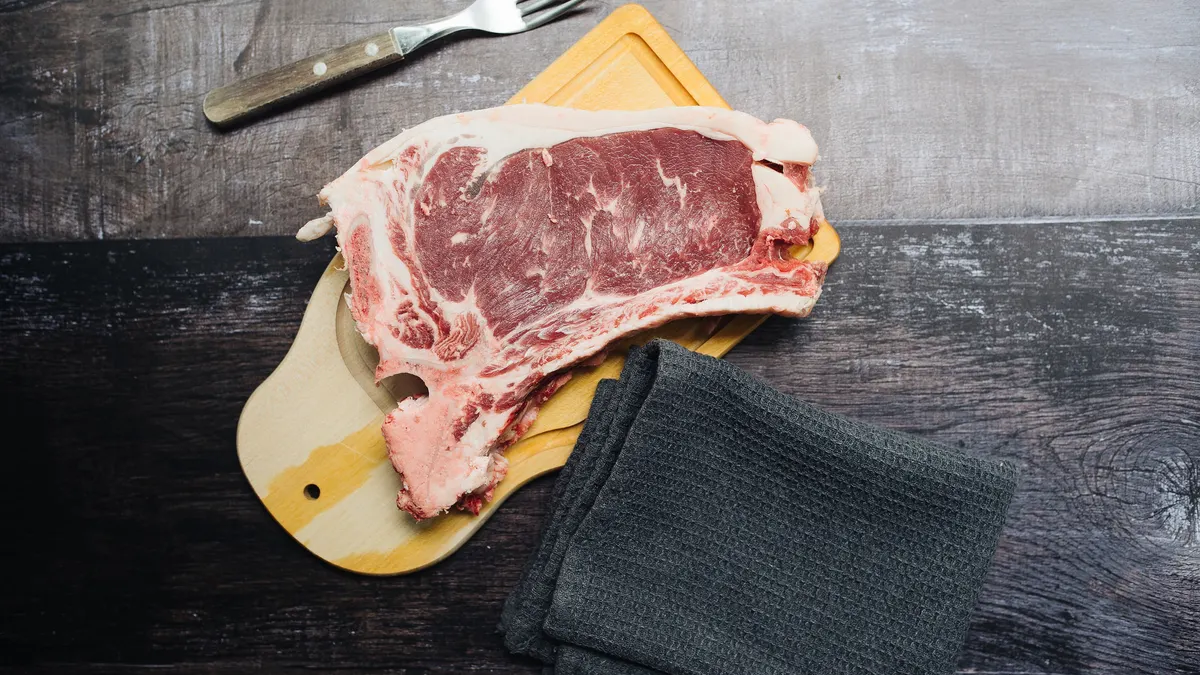
After you put a deposit on a quarter or half beef, the ranch or the butcher will ask you for a cut sheet: a form that tells the butcher how to cut and package your share. South Dakota State University Extension's meat specialist compares getting one to being handed an exam (SDSU Extension). It is easier than it looks. This page walks through each choice, with a source for every claim.
First: buying a quarter? You may not get many choices
A quarter is a quarter of the meat from the whole carcass, with cuts from both the front and the back, not just the front or hind quarter (SDSU Extension). Because two buyers usually split one side, quarters often come with fewer options:
- Bond Ranch Co. in Scipio says half and whole buyers can usually customize steak thickness, steaks per pack, and roast size, while quarters are usually processed with a standard cut sheet (Bond Ranch FAQ).
- Bar-W Beef's 2026 cut sheet (Nephi) says a whole beef can get both T-bones and New York strip with tenderloin steaks, but a half or quarter must pick one (Bar-W cut sheet).
Some Utah ranches do let you fill out your own. Hoggan Ranch, for example, has buyers complete an online cut sheet after reserving a share (Hoggan Ranch). Ask your ranch which kind you will get.
What happens to boxes you leave blank
This matters more than any single choice, and it differs by butcher:
- On Bar-W's sheet, a blank line gets the standard option, and you mark an X next to cuts you want turned into ground beef (Bar-W cut sheet).
- On the Kansas State University example cut sheet, every unchecked box goes into ground beef (K-State cut sheet).
Read the top of your form for which rule applies before you skip anything.
The choices, one at a time
| Choice | What it means | Source |
|---|---|---|
| Loin: T-bone or strip and filet | T-bone and porterhouse steaks and boneless New York strip and filet come from the same muscles. The only difference is the bone, so on less than a whole beef you pick one. Going boneless on the loin does not usually stop you from getting a bone-in rib roast. | SDSU |
| Ribeye: bone-in or boneless | Bar-W asks you to circle bone-in or boneless for ribeye steaks. Choosing tomahawk steaks (bone-in ribeye with a long rib) gives up some rib options like dinosaur or Korean-style ribs. | Bar-W; SDSU |
| Steak thickness | One inch is standard; some people go 1 1/4 inch for ribeyes, T-bones, and porterhouses. Thicker steaks means fewer steaks. | Friesla |
| Steaks per package | Think about how many you eat at one meal. Two per pack is common; singles suit smaller households, and some processors charge extra. | Friesla |
| Roast size | Plan about 1/2 lb per serving. For 4 servings plus leftovers, a 2.5 to 3 lb roast. Bar-W offers 2 to 3, 3 to 4, or 4 to 5 lb rump and chuck roasts; K-State notes crockpot roasts average 3 to 4 lb. | SDSU; Bar-W; K-State |
| Chuck: roasts or steaks | Flat iron, Denver, and chuck eye steaks are popular, but you trade away 7-bone and blade roasts, and not every butcher cuts them. | SDSU |
| Round | Round cuts can become cubed steak, stew meat, round steaks, or roasts. They are very lean and can dry out, so if you will not cook them, ask for more of the round in ground beef. | SDSU |
| Ground beef | Ask the butcher's standard fat target before asking for lean or extra lean. Packages are commonly 1, 1.5, or 2 lb; Bar-W offers 1, 2, or 5 lb. Trim alone is typically 20 to 25 percent of a carcass, so you get plenty of ground beef without sending whole cuts to the grinder. | SDSU; Bar-W; Friesla |
| Stew meat | K-State's example sheet lists 4 to 6 packs as the average for a half. | K-State |
| Bones and organs | Bar-W lists soup, marrow, and knuckle bones plus tongue, liver, kidney, oxtail, heart, and cheek meat as options. If you do not ask, do not assume you get them. | Bar-W |
Extras that usually cost more
SDSU Extension lists the requests butchers often charge extra for: processing into quarters instead of sides or wholes, cutting chuck steaks, keeping organ meats, extra lean ground beef, vacuum packaging, and turning meat into cubed steak, sausage links, or patties (SDSU Extension).
Here is what one Utah processor posts for 2026 (Bar-W cut sheet; Bar-W custom processing page):
- Patties: an extra $1.50 per lb, 25 lb minimum.
- Ground beef in 1 lb bricks: an extra $1.00 per lb.
- Rendered tallow: $1.00 per lb.
- Extra dry aging beyond the typical 10 to 14 day hang: $10 per day.
Bar-W is used here because it publishes its sheet and prices. Your ranch may use a different butcher with different options and fees. Prices checked October 23, 2026, and they can change.
Questions to ask before you turn it in
- Is my share a standard cut, or can I customize it? (Bond Ranch)
- What happens to anything I leave blank? (Bar-W; K-State)
- What is your standard aging time, and can I ask for shorter or longer? (University of Tennessee PB 1820)
- How do you separate beef when one animal has multiple owners? (UT PB 1820)
- What trim level do you use? Most consumers prefer about 1/4 inch of outside fat, and a closer trim means less meat. (UT PB 1820)
- What is your standard ground beef fat target? (SDSU)
- Which options cost extra? (SDSU)
Still unsure? SDSU Extension's advice is simple: ask your processor, who will be happy to help (SDSU Extension).
Next: What a quarter beef really costs in Utah, including how much freezer space you need. Or browse Utah ranchers selling quarter and half beef.
Sources fetched October 23, 2026. This page has no affiliate links. No ranch paid to be listed. Spot an error? Email brad@uofyou.org.